The Artist
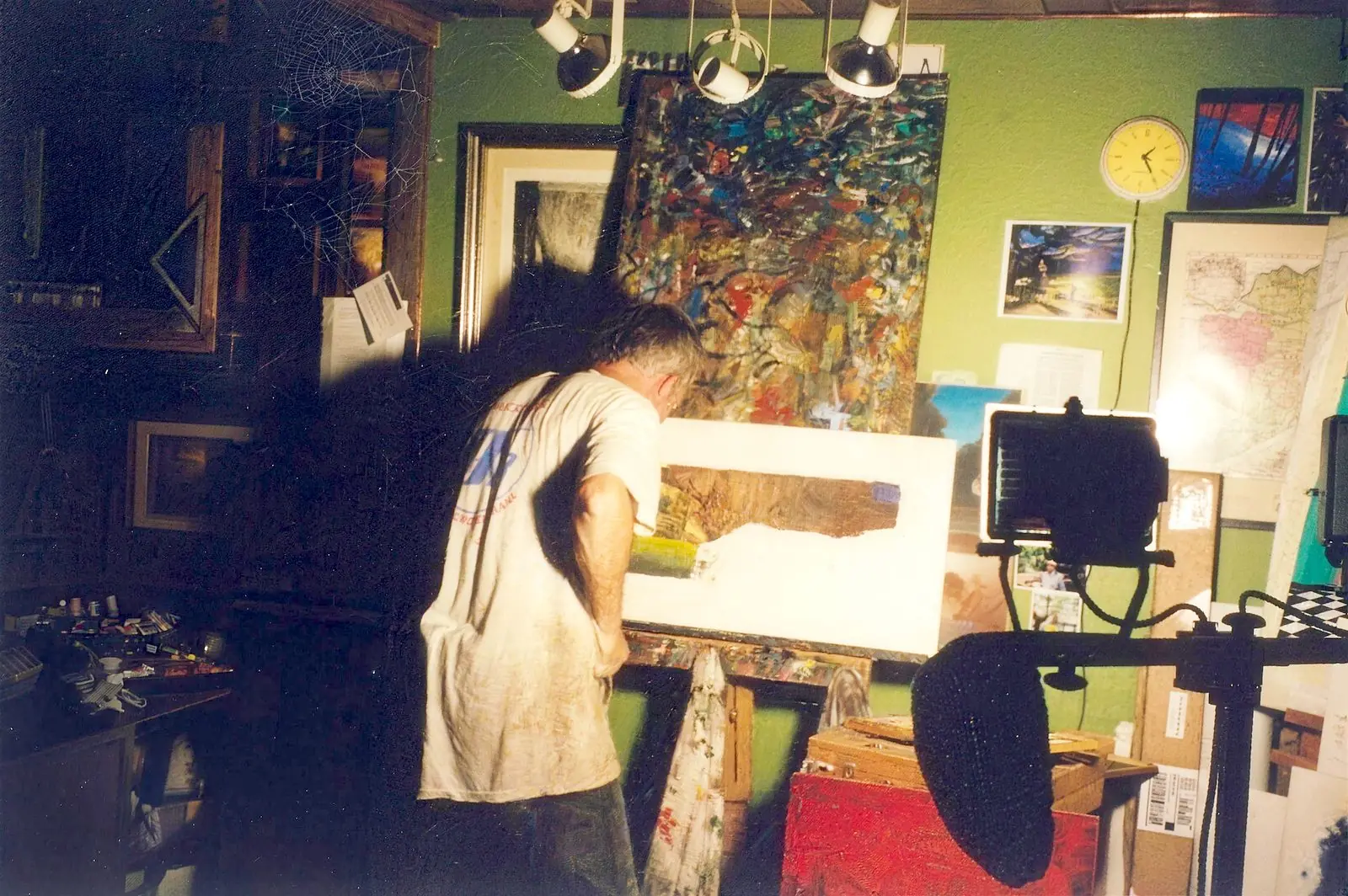



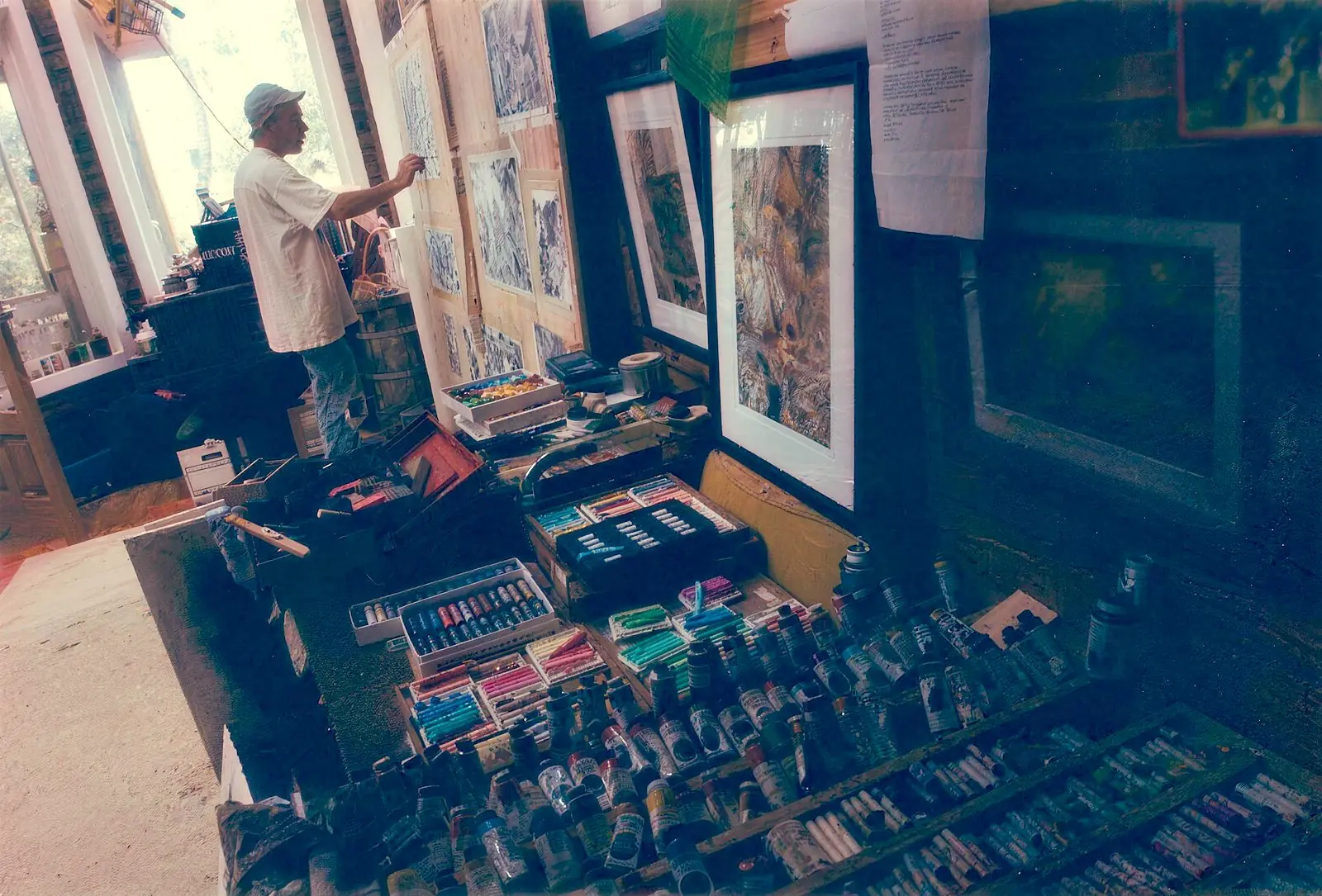

Peter Kephart; The Creative Fire Burns Eternal
He demonstrated unusual artistic talents at an early age, sold his first painting during adolescence, and excelled in creative pursuits as a teenager. He enrolled in four art classes during his junior and senior high school years and won or placed in a number of regional art competitions. He continually dreamed of being an artist; that’s what he wanted to be.
He failed his art classes, all of them. Later, his continuing education as a twenty-five-year-old university freshman set him on course toward becoming an art professor. Maintaining a high academic standard, learning many things, and making countless friends, he enjoyed some of the greatest times of his life. A year later, he dropped out of art school.
His mother says that when Pete was just four, he set a trashcan ablaze in his bedroom. His high school friends called him Pyro Pete because of his penchant for setting things ablaze. His Chinese zodiac sign is the fire horse. Kephart served for a time... as a volunteer firefighter. Hmmm. Inventing a printing technique for a barbeque grill is one of his many creative achievements. Kephart is best known for his Firepainting technique and his 2018 Guggenheim Fellowship project proposal was to ignite abandoned farm buildings and paint them with fire. Living in a building burned during the American Civil War, he is now a full-time professional artist and the only one in history to set his paintings ablaze as part of their creation.
Pete Kephart has never been a guy to do things like others do them. After art school, he spent nine years in corporate life while embarking tentatively on his artistic career at the age of twenty-eight. His business suits bore paint spatters because often on returning home from work, he couldn’t wait to change his clothes before returning to his easel.
When building a home for himself, Kephart bypassed the easy way of starting from scratch and instead dismantled an antique building, moved it up a mountain in pieces, restored the original lumber by hand, and clad the newly built structure with the vintage finish lumber. Then he built a tree in it.
If what you want is uniqueness, you’re at the right place. Pete Kephart embodies the idea of originality, his art even more so. He paints nature with the elements of its own creation, the forces that have forged our world. And his images are unlike anything you’ve ever seen. Each is one-of-a-kind, and none can be repeated. Just like Pete and just like his home.
He’s not just an artist, either. Pete is a trained classical musician and an excellent whistler who can improvise a harmony to any song that he’s hearing for the first time. Skilled in many residential building trades from foundations to finishing, he’s one of the world’s best caulkers. A talented designer, writer, skilled and passionate fisherman, hiker, kayaker, performer, businessman, dancer, and comedian in the right circumstances, Kephart is a creative force whose passion for artistic expression infuses everything he does.
At times a fool and a failure and at others a visionary and a victor, Pete has loved and lost and been lost and found. His great mistakes in life have fortunately been limited in number and scope. His great achievements and admirable successes have often been innumerably interrupted by roadblocks, detours, standstills, and other frustrating diversions beyond counting. And through it all, his artistic drive has carried him along, keeping him buoyant when he felt like sinking.
In Peter Kephart, the creative fire blazes brightly. He has produced a few thousand artworks during his career and fully expects to make thousands more before his internal flame burns out.
Kephart’s Firepaintings have gained extensive regional, national, and international media coverage through the years and been seen by millions of people worldwide. His works are included in public, corporate, and numerous private collections at home and abroad. In July 2026, he was invited by China’s cultural ministry to visit that country on a landscape painting tour. Peter Kephart is probably the most famous artist you’ve never heard of.
The Art
Firepainting
The Nature of Art and the Art of Nature
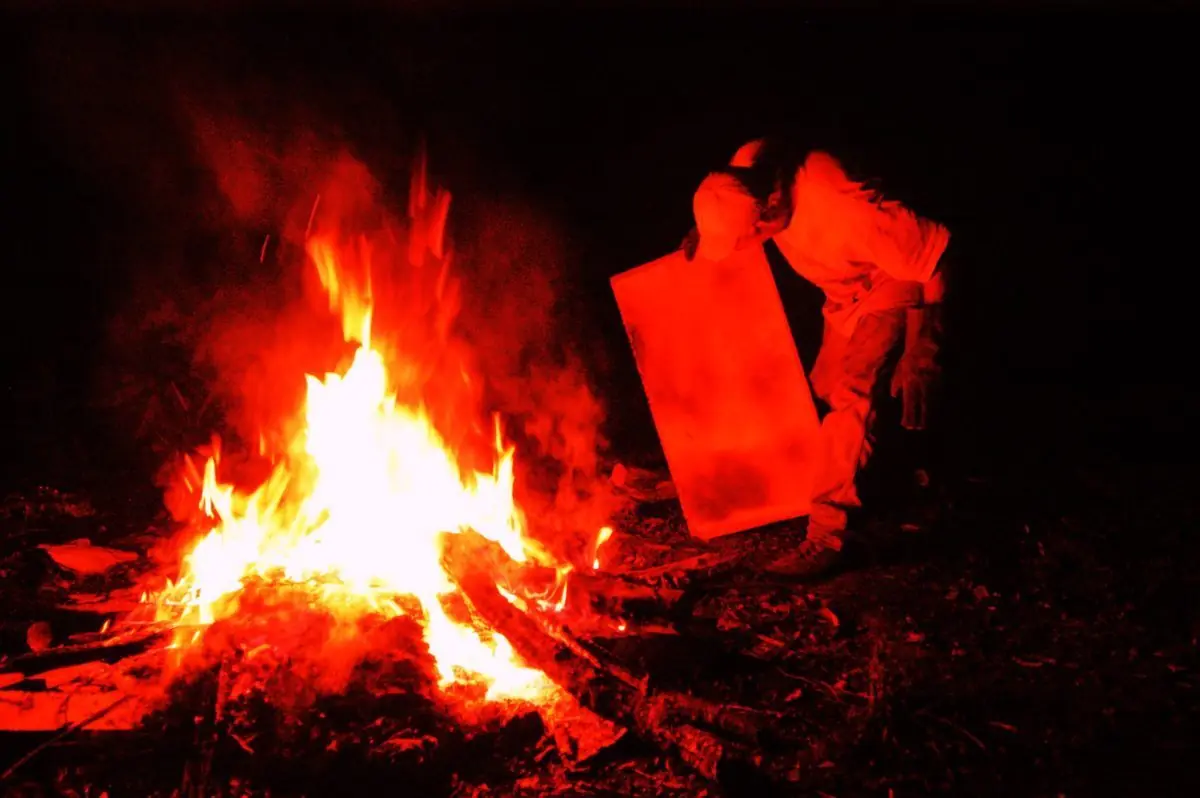
Invented accidentally by artist Peter Kephart on his West Virginia property in August of 2004, Firepainting is a creative technique that combines performing art, conceptual art, and fine art to produce paintings of astonishing natural beauty and emotive power.
On the surface and in its most basic form, this alchemical process consists of merging the two fundamental elements of fire and water on paper. As these elements resist each other, images are made through the fire singing or burning the dry paper around a wet design. Because fire creates its own wind (the agitated state of air), this heated wind influences the outcome. The resultant monotone paintings are incredibly luminous, often so much so that they appear to have an internal light source and glow as if light is embedded within the paper.
At its core, however, it is much more complex and merges these elements with the fundamental forces of solid-state inorganic and organic chemistry and those of thermo-, hydro-, and aerodynamics. When earth is used, soil dynamics come into play. Every Firepainting is a science experiment, an exploration of the creative power of nature using nature’s own base components. In essence, when the images created represent landscapes or seascapes as they so often do, these are paintings of nature by nature herself.
By introducing a variety of water-based media, the creative and expressive potential in this technique expands exponentially. Instead of plain water, watercolors are used. Because soil has no binding power, it is mixed with wheat paste, which bonds it permanently to the paper. Now, what appears as earth in a painting is actually earth rather than an impression of it through painterly means. Any non-acidic, water-miscible substances can be used. These include but are not limited to inks, liquid and/or dry pigments, charcoal powder, sand, brick dust, mud, potassium nitrate (a neutral salt and the accelerant in gunpowder), gunpowder, ash, salt and sugar, flour, metal chips and shavings, and many more. With water as the vehicle and wheat paste as the binder for dry materials, these mixtures add the artistic elements of color and texture to increase the visual and tactile complexity of a finished painting.
Made by a French company since the late 15th century, the paper is a specialized heavy-weight, acid-free, pH neutral, long-fiber cotton rag material especially suited to this technique because of its resistance to heat and its durability. Wood pulp paper is not suitable. In preparation for the painting process, the paper is saturated with water and expands in size. Then it is stapled to a rigid board. When left to dry, the paper shrinks and becomes taut like a drumhead. This minimizes deforming when water-based painting media are introduced. When an image has been created, the board is suspended with paper face down directly over the sizzling ember bed of a hardwood bonfire.
The outcome(s) depend on innumerable variables with the element of chance as a major contributor. The ambient temperature, humidity level, changing climatic conditions, type of wood, time of day; all of these factors and many more influence the success or failure of a given painting or series of them. The relative position of the paper to the ember bed and the intensity of the fire are hugely important. If the fire is too cool or the paper too far from it, the moisture evaporates from the wet areas of the paper before the dry areas can begin to burn leaving nothing but browned paper and little of the image. Conversely, if the paper is too close and the fire too hot, the paper may quickly char or burn away leaving darkly roasted paper, burned away areas, and a clearer image that is too severely damaged to be saved. Timing is everything and seconds count. In the infancy of this technique, many paintings were lost to the artist’s inexperience. Today, while a painting may be lost occasionally, most emerge successfully; those that do move to the next steps leading to completion.
After close examination of the paper’s structural integrity, the image quality is assessed. Many paintings are done on the fire and come from it ready for the mounting and framing process. Others show promise but may need retouching. These are retired to the studio where they are completed most often with dry pastels, watercolor or gouache, tempera, charcoal, inks, and other media. Again, oil-based and acidic media are never used because over time, these will spread through the paper fibers and cause disintegration. All materials are of the highest quality sourced from venerable manufacturers worldwide.
In all, this astonishing painting process results in an astonishing array of images ranging from monotone or minimally colored abstracts, land- and seascapes, and abstract land- and seascapes to moderately colored and color saturated paintings of the same styles. They are classified as Abstract Organics, Abstract Naturals, and named Landscapes or Seascapes according to the images themselves and the ingredients with which they were formed. No two can ever be the same and none can be reproduced or convincingly copied. Forgeries are impossible.
When a Firepainting is completed, it is signed in pencil and with the artist’s signature brand burned into its face. Then it is laminated under significant pressure for a minimum of twenty-four hours to a lighter sheet of the same quality paper with an archival, acid-free, non-thermoplastic, pH neutral PVA adhesive. Penetrating the papers’ surfaces, this process creates a permanent bond between the painting and its backing. In areas where the painting has been burned through or partially burned away, the backing paper is stained with saturated color conveying a sense of the heat with which the painting was forged. Then, this permanently stabilized, backed painting is laminated with the same technique and the same adhesive to an archival foam core riser. Finally, the backed painting on its riser is laminated to an archival foam core backing board for display and framed under UV filtering conservation glass. Every Firepainting is designed to last for hundreds of years and indefinitely if kept in a controlled environment.
These artworks represent the artist’s visions of a warmer world through rising ambient temperatures and their physical effects on our natural surroundings as well as our perceptions and recognition of these changes. In essence, they strongly suggest a realistic, prescient view of how our earthly domain will appear in a warmer future and offer glimpses of a previously unimaginable, entirely new, haunting realm of beauty.
Exhibitions
2016
-
December Gallery NK, Washington, DC Spectrum Miami International Art Fair, Miami, FLGroup
-
June Tamarack Foundation, Beckley, WV Best of West Virginia invitational juried exhibitGroup
-
May Zenith Gallery, Washington, DC Firepaintings, with demonstrationsSolo
The Washington Post — “In the galleries: Wells & Barnes offer many seats, but no place to sit down,” June 10, 2016. Reviews the show Burning Brighter: The Fascinating Firepaintings of Peter Kephart.
2015
-
October Huntington Museum of Art, Huntington, WV Exhibit 280, invitational regional survey curated by Patterson Sims, formerly of MoMA and the Montclair Art MuseumInvitational
-
March Zenith Gallery, Washington, DC 36th anniversary exhibitGroup
2014
-
December Zenith Gallery, Washington, DC Firepaintings, with demonstrationsSolo
The Washington Post — Going Out Guide lead item, “‘Setting the World on Fire, One Painting at a Time’,” week of Dec. 11–17, 2014.
The Washington Post — Mark Jenkins, “In the galleries: Using heat to create several kinds of artworks” (print: “Artists have burning desires to manipulate”), Jan. 9, 2015.
-
April Zenith Gallery, Washington, DC 35th anniversary exhibitGroup
2013
-
December Spectrum Miami International Art Fair, Miami, FLGroup
-
March Fountain Art Fair, New York, NY Centennial of the 1913 Armory Show of ModernismGroup
2012
-
December Fountain Art Fair, Miami, FLGroup
-
May Zenith Gallery, Washington, DC Firepaintings, with demonstrationsSolo
The Washington Post — Mark Jenkins, “Galleries: Pristine canvas meets destruction in Peter Kephart’s ‘firepaintings’,” Nov. 15, 2012. Reviews Fire, Water, Earth and Wind at Zenith’s Chevy Chase Pavilion space, through Nov. 27, 2012.
-
May A. Jain Marunouchi Gallery, New York, NY Shanghai International Art Fair, Shanghai, ChinaGroup
-
April A. Jain Marunouchi Gallery, New York, NY Beijing International Art Fair, Beijing, ChinaGroup
-
February A. Jain Marunouchi Gallery, New York, NY FirepaintingsSolo
2011
-
December Zenith Gallery, Washington, DC Firepaintings, with demonstrationSolo
-
September A. Jain Marunouchi Gallery, New York, NY Shanghai International Art Fair, Shanghai, ChinaGroup
-
August A. Jain Marunouchi Gallery, New York, NY FirepaintingsSolo
-
May A. Jain Marunouchi Gallery, New York, NY San Francisco International Art FairGroup
-
April A. Jain Marunouchi Gallery, New York, NY Beijing International Art Fair, Beijing, ChinaGroup
-
January A. Jain Marunouchi Gallery, New York, NYGroup
2010
-
December 2010 – February 2011 Zenith Gallery, Washington, DC FirepaintingsSolo
Hill Rag — Jim Magner, “Artist Portrait: Peter Kephart” (Art and the City column), January 2011, pp. 94–95. Covers this show at Zenith Gallery, Chevy Chase Pavilion, through Feb. 8, 2011.
-
August – November West Virginia State Museum, Charleston, WV Best of West Virginia Landscape Painting Competition, finalists’ exhibitionJuried
-
June Tamarack Foundation, Beckley, WV Best of West Virginia open painting competition, finalists’ exhibitionJuried
-
February – March Amsterdam Whitney Gallery, New York, NYGroup
2007
-
August Rosenfeld Gallery, Philadelphia, PAGroup
2006
-
July Berkshires Arts Festival, Berkshire Mountains, MAGroup
-
March Artexpo New York, Jacob Javits Center, New York, NYGroup
2005
-
November Cirker’s Fine Arts, New York, NY Sponsored exhibit, works in various mediaSolo
2004
-
October Smithtown Township Arts Council, Mill Pond, NY Invitational exhibit curated by Donald KuspitInvitational
-
September Caladan Gallery, Beverly, MA Invitational juried exhibitInvitational
2003
-
October Wohlfarth Gallery, Washington, DC Works in various mediaSolo
1995
-
September Prince George’s County Arts Council, Greenbelt, MD Finger paintings, shown during the inauguration of a new federal district courthouseSolo
1994
-
October Margaret Smith Gallery, Ellicott City, MDGroup
Alternative-space exhibits
In addition to the exhibits above, Kephart hosted twenty-two alternative-space exhibits:
| Washington, DC | 1999, 2000, 2001, 2002, 2003, 2004, 2005, 2007, 2008, 2009, 2011, 2013 |
|---|---|
| New York, NY | 2004, 2006, 2010, 2011 |
| Philadelphia, PA | 2004, 2006 |
| Chicago, IL | 2006 |
| Miami, FL | 2012 |
| Washington State | 2011, 2015 |
Selected Press
2016
-
 Voice of America “Fire Painting Artist Burns His Art” Deborah Block, June 29, 2016
-
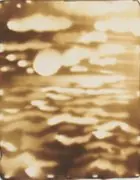 The Washington Post “In the galleries: Wells & Barnes offer many seats, but no place to sit down” June 10, 2016Full Article (pdf)
2015
-
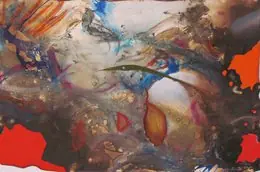 The Washington Post “In the galleries: Using heat to create several kinds of artworks” Mark Jenkins, January 9, 2015Full Article (pdf)
2013
-
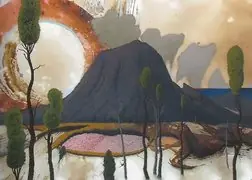 Green Art: Trees, Leaves, and Roots Peter Kephart, Levels, West Virginia E. Ashley Rooney with Margery Goldberg, Schiffer Publishing, 2013, pp. 44–45Full Article (pdf)
-
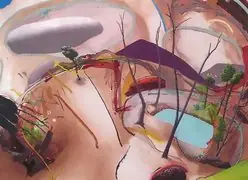 Art Business News “ABN’s Year in Review: On Our Radar – Peter Kephart” Winter 2013, p. 46Full Article (pdf)
2012
-
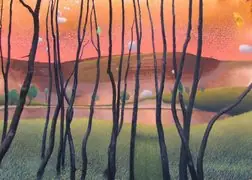 The Washington Post “Galleries: Pristine canvas meets destruction in Peter Kephart’s ‘firepaintings’” Mark Jenkins, November 15, 2012Full Article (pdf)
2011
-
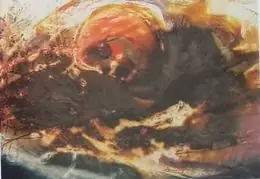 Shanghai Art Fair 2011 catalog A. Jain Marunouchi Gallery, New York, American Pavilion Catalog p. 214, ShanghaiMART, September 14–18, 2011Full Article (pdf)
-
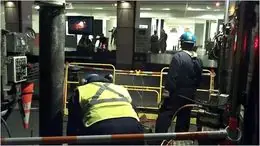 The New York Times “At First, the Fire Seemed to Be Part of the Show” Colin Moynihan, City Room blog, April 22, 2011Full Article (pdf)
-
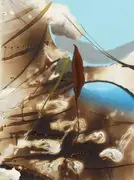 Hill Rag “Artist Portrait: Peter Kephart” Jim Magner, Art and the City column, January 2011, pp. 94–95Full Article (pdf)